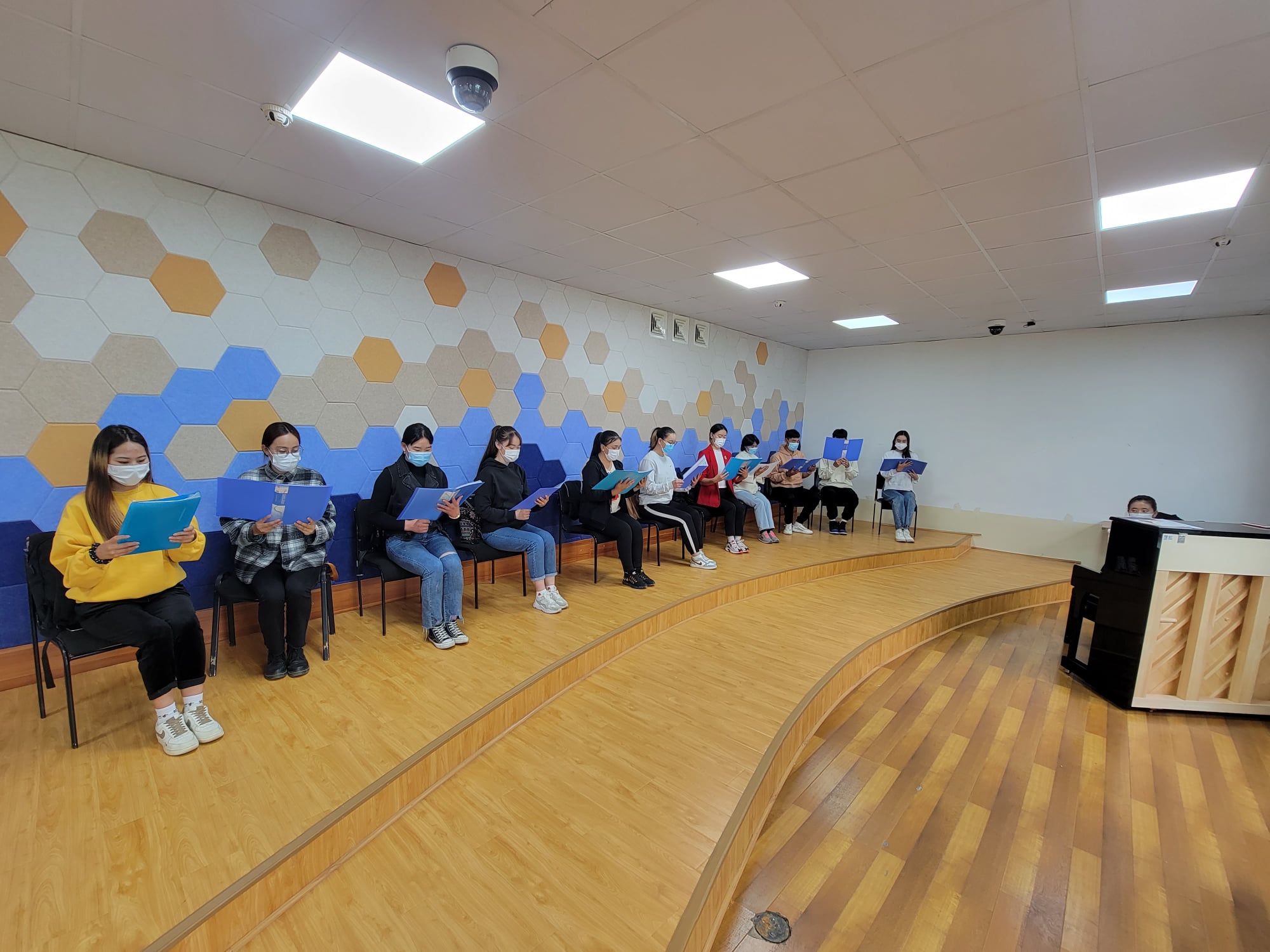
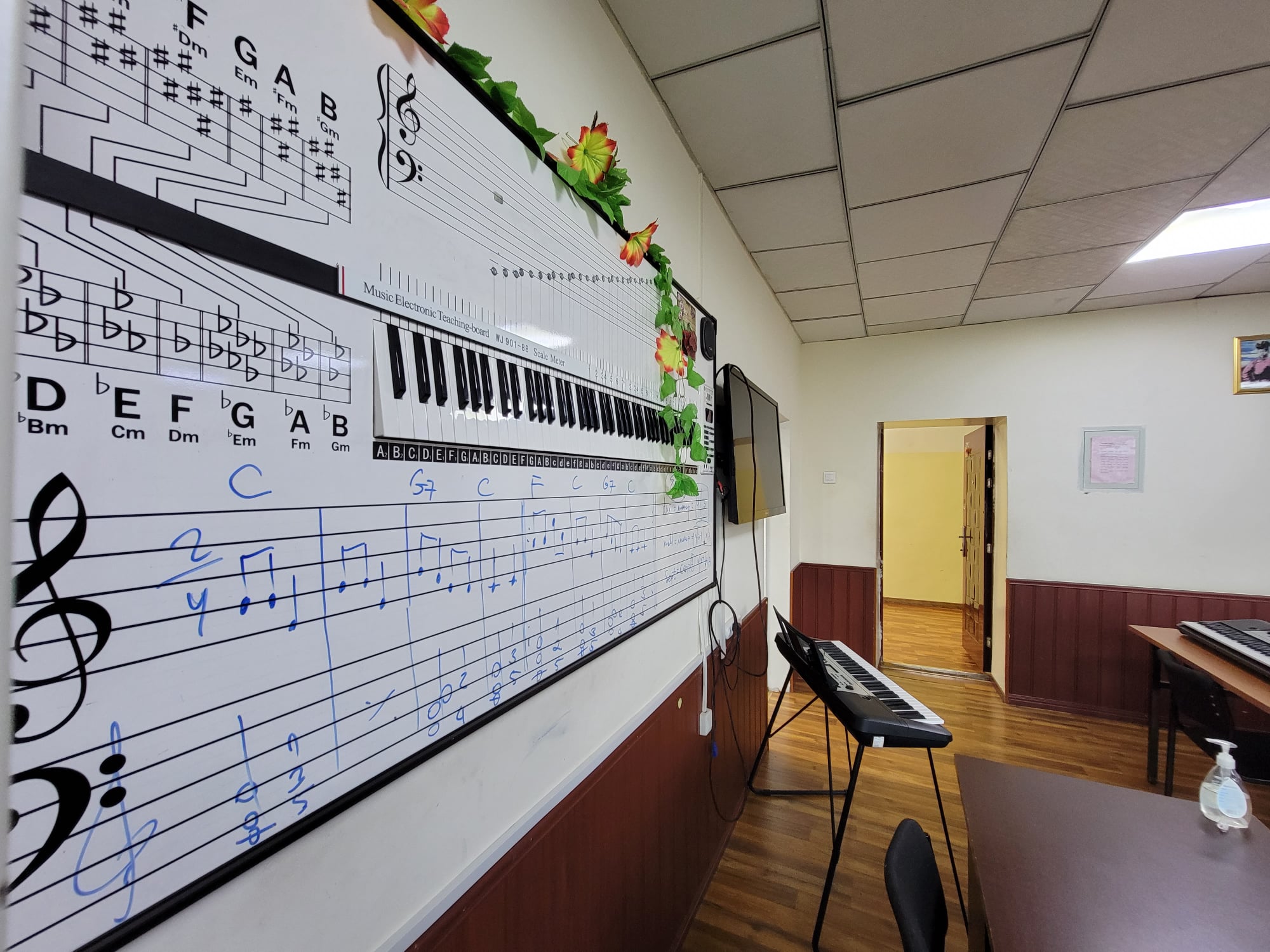
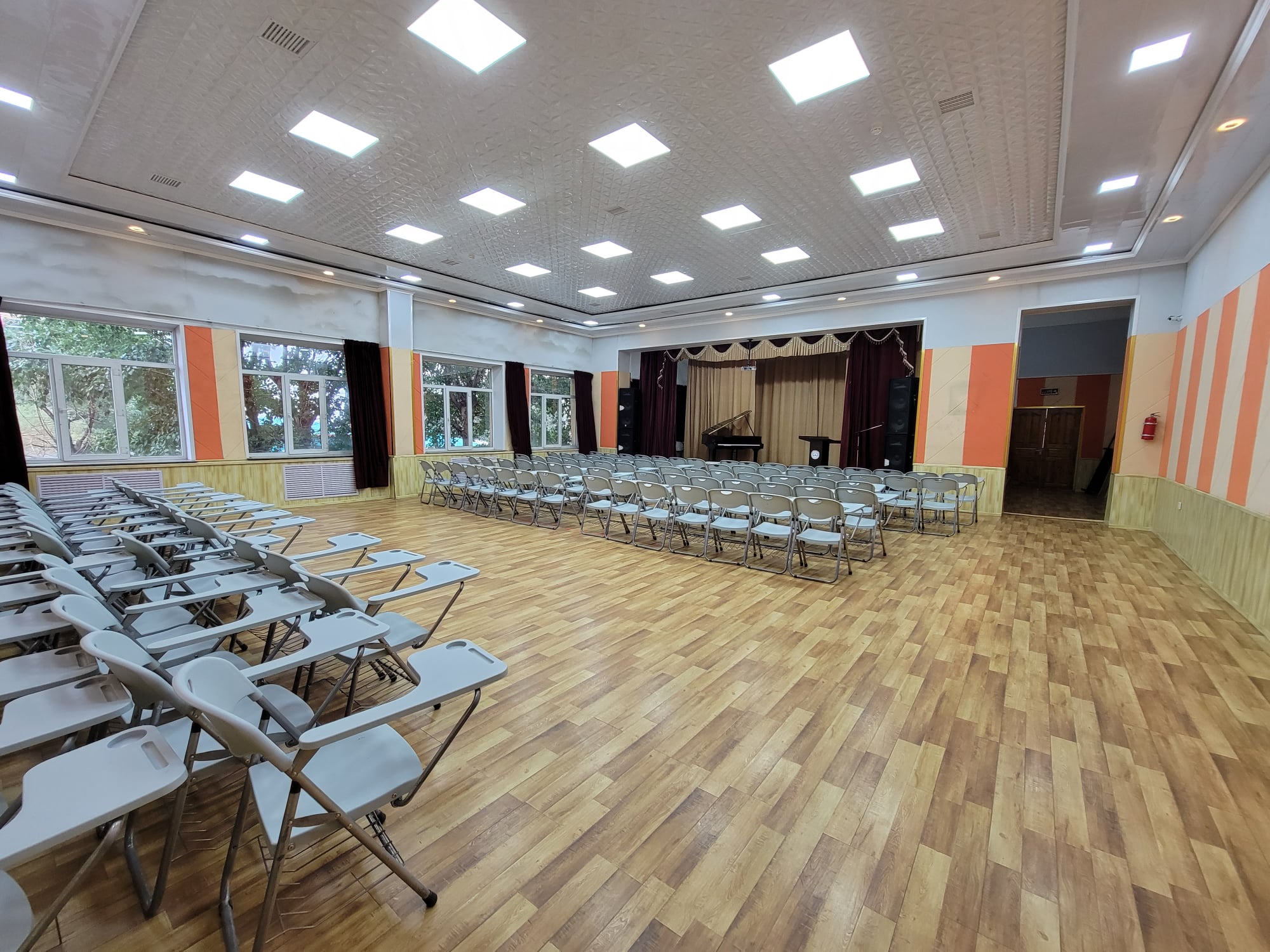
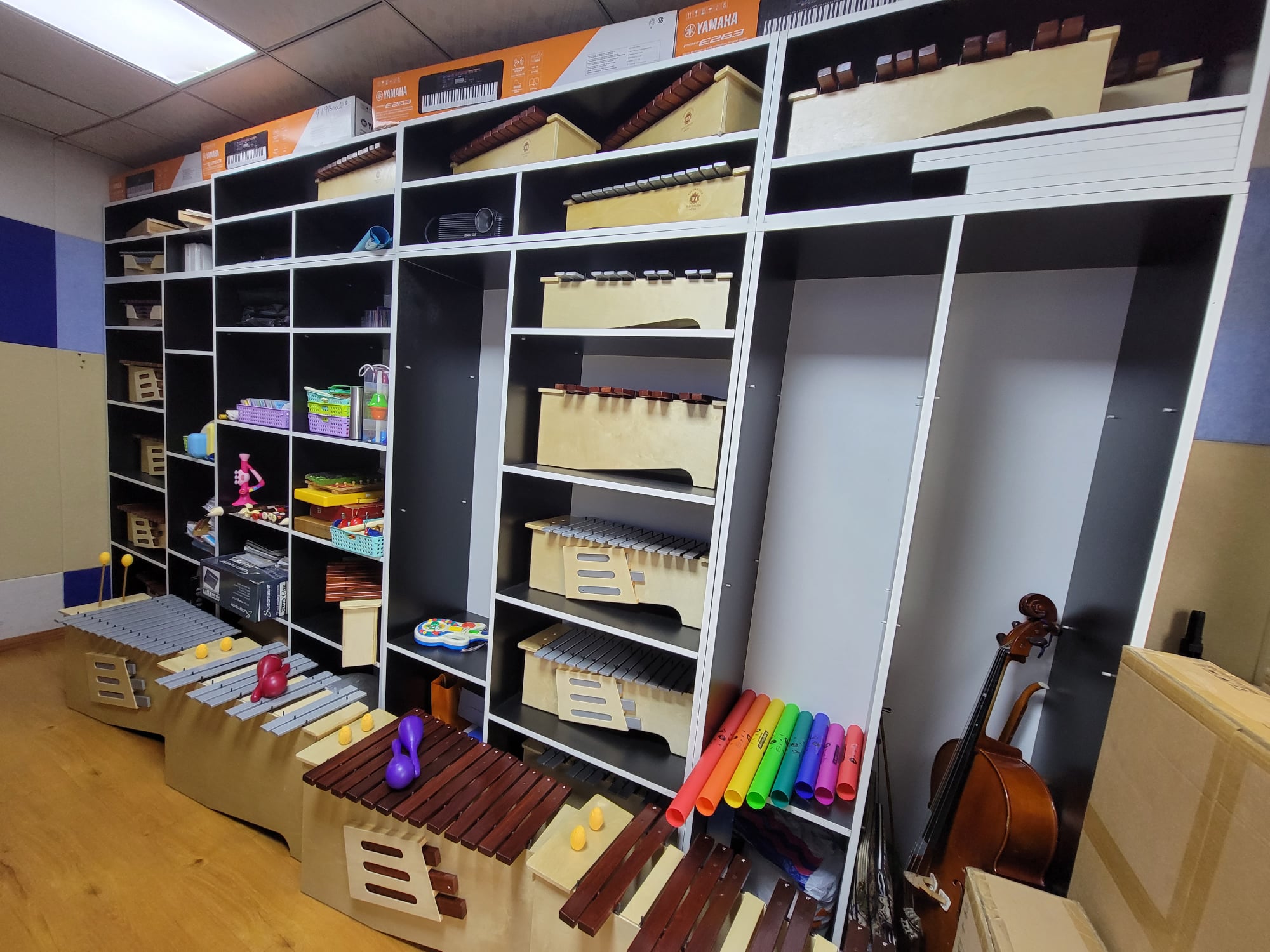
The School of Preschool Education (SPE) at the Mongolian National University of Education is committed to creating a student-centered learning environment that supports active participation, independent learning, and aligns with the diverse needs and interests of learners across both undergraduate and graduate programs. To support teaching and learning activities, the school is equipped with a total of 74 classrooms and facilities, including lecture halls, blended learning classrooms, seminar rooms, specialized rooms for music, fine arts, and dance, computer laboratories, sports halls, libraries, a student development center, self-study rooms, dormitories, and dining facilities. In addition to providing a comprehensive physical learning environment, the school actively promotes student access to scholarships and opportunities for personal and professional development. Students have access to the central library of MNUE, which operates 24 hours a day and holds a collection of 232,924 volumes, as well as four additional libraries across constituent schools. The library’s online catalog enables students to request materials remotely. Guidance materials, including instructions for book ordering and accessing digital resources, are made available through the library’s website and online platforms. Furthermore, students are provided with access to a wide range of international electronic databases, including Springer, EBSCO, and Research4Life, among others. These resources collectively offer access to over 60,000 e-books, 21,000 academic journals, and a substantial number of scholarly articles and conference papers, significantly supporting academic research and learning. In addition, the School of Preschool Education maintains its own library within its academic building, featuring a reading hall with a capacity of 100 seats and a total area of 234 m². The library collection includes 34,066 books and textbooks, of which 91% are core textbooks and instructional materials aligned with the curriculum, while the remaining 9% consist of domestic and international literary works and other supplementary resources.